Stir-Fried Baby Napa Cabbage
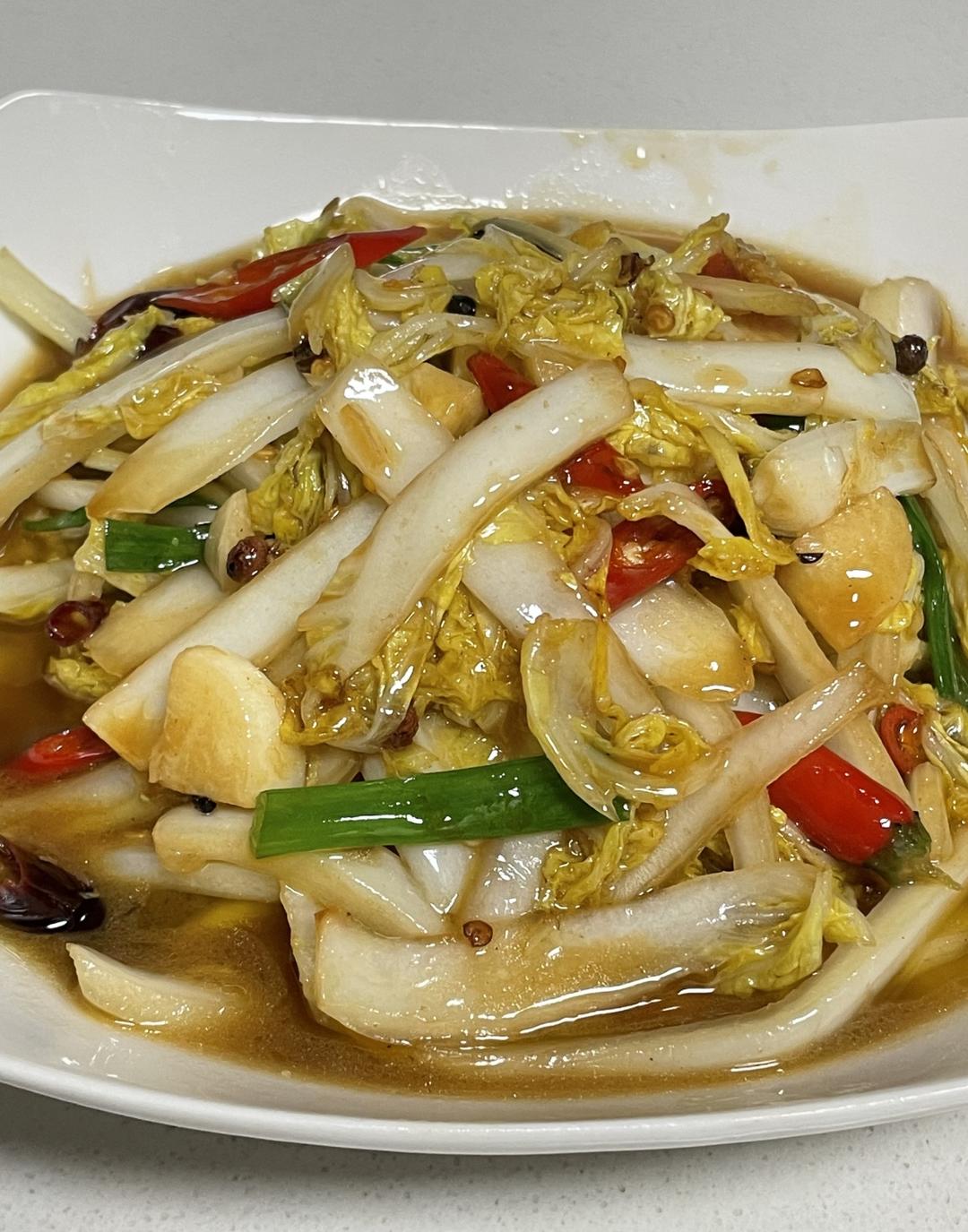
Baby napa cabbage shredded and stir-fried over high heat with dried chilies, bird’s eye chilies, Sichuan peppercorns, and garlic, then seasoned with a spoonful each of light soy sauce and oyster sauce. A quick vegetable dish made to be eaten with rice.
Jump to Recipe ↓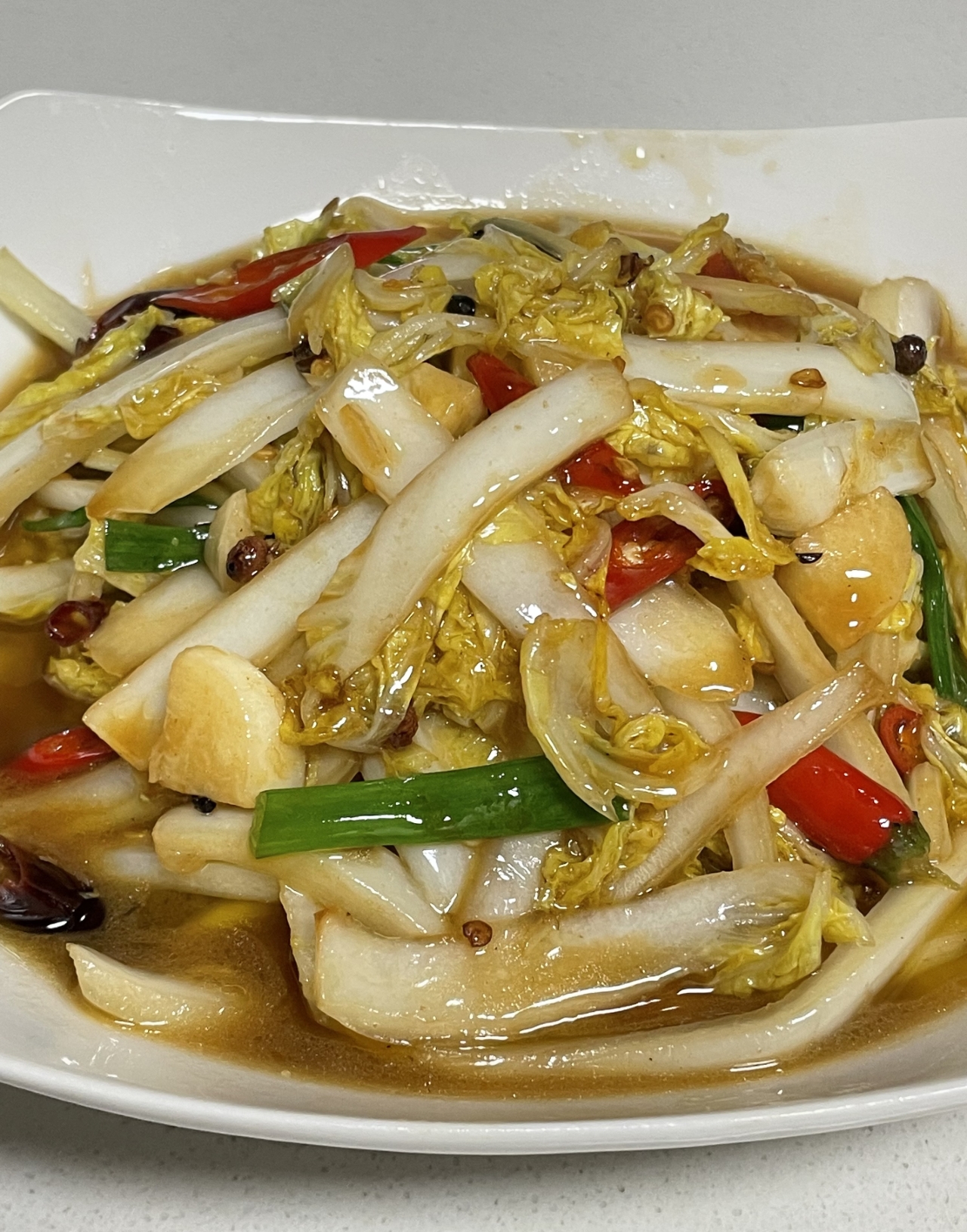
Translated from a real Chinese home-kitchen recipe — never AI-invented.
Ingredients
- 2 heads baby napa cabbage
- 4 cloves garlic
- scallion sections, as needed
- dried chilies, as needed (use more if you like it spicy)
- bird’s eye chilies, as needed
- a few Sichuan peppercorns
- 1 spoonful light soy sauce
- 1 spoonful oyster sauce
- salt, to taste
- chicken bouillon powder, to taste
- rapeseed oil (or your usual cooking oil), for stir-frying
- a little lard (optional)
Steps
- 1
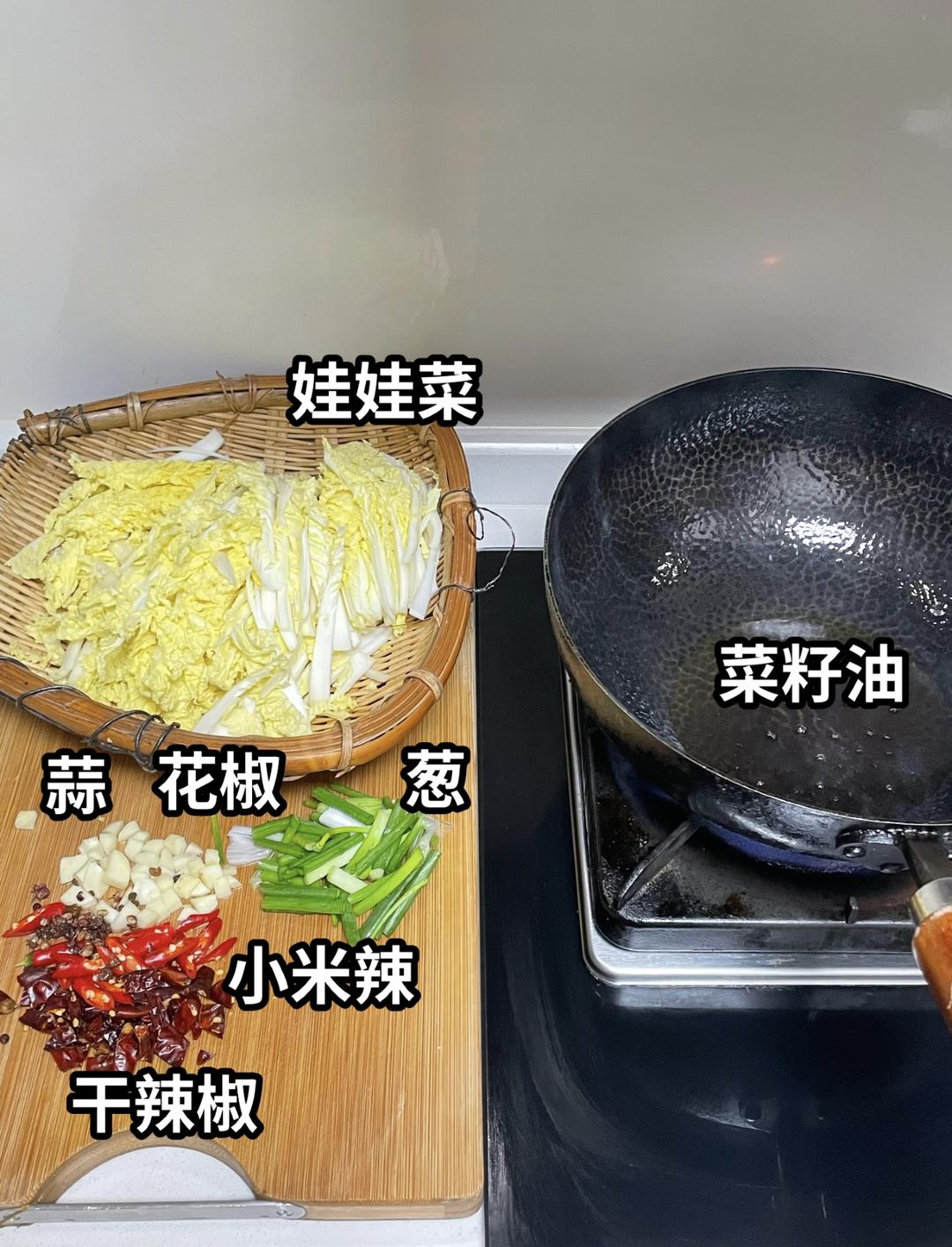
Shred the baby napa cabbage. Cut some scallions into sections, cut the dried chilies into sections, cut some bird’s eye chilies into sections, and have a few Sichuan peppercorns ready. Dice the garlic. (If you do not have rapeseed oil, use whatever oil you normally stir-fry with. You can also add a little lard, which makes the finished dish richer.)
- 2
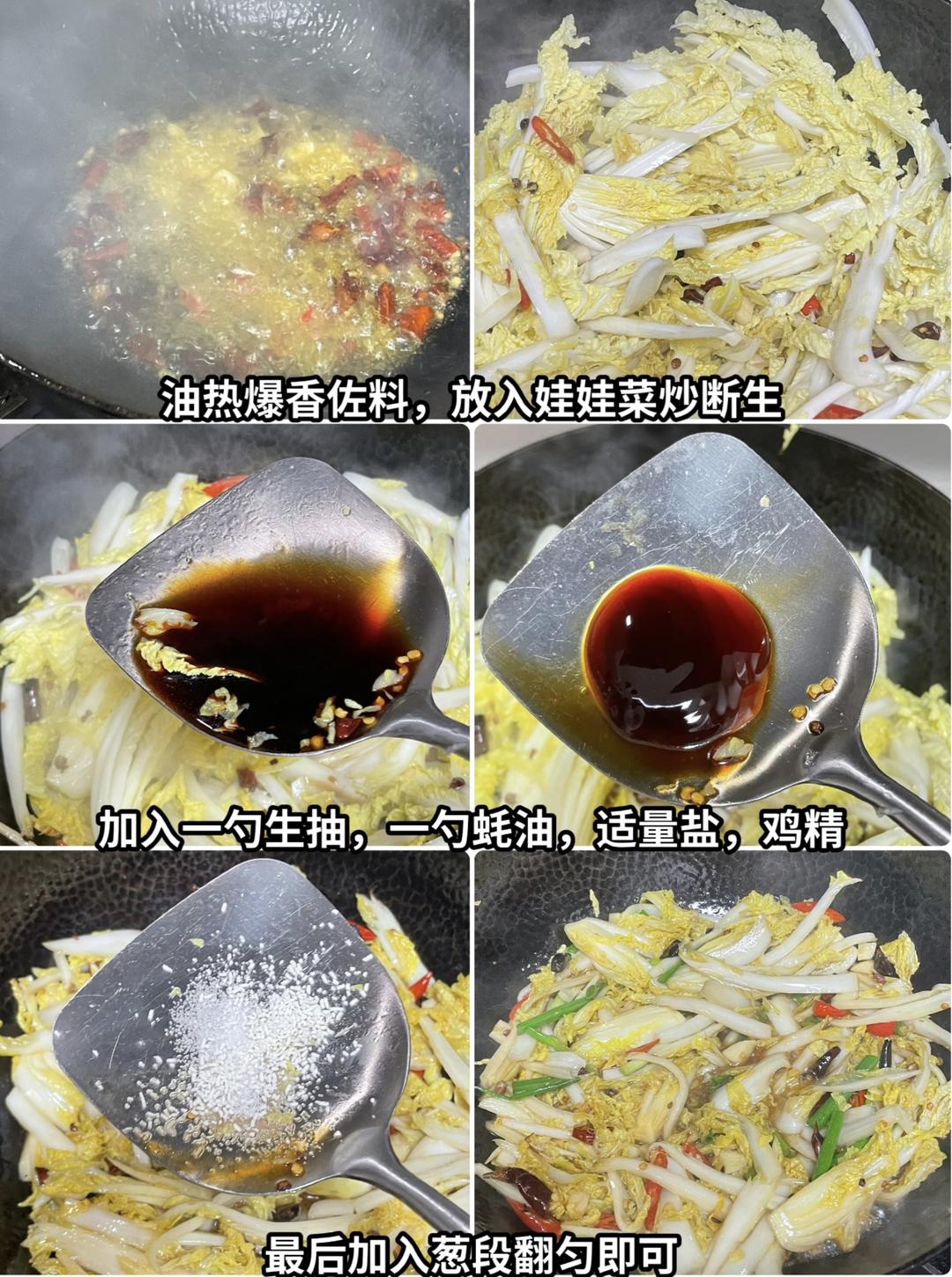
Heat oil in a wok. When the oil is fairly hot, add the dried chilies, bird’s eye chilies, Sichuan peppercorns, and garlic and stir until fragrant, then immediately add the cabbage and stir-fry until it just loses its raw crunch. Add 1 spoonful of light soy sauce, 1 spoonful of oyster sauce, and salt to taste, and toss until evenly coated. Just before taking it out of the wok, scatter over the scallion sections, give it a final toss, and serve. Made this way the cabbage is delicious with rice, so give it a try.
- 3
The cook’s photo summary of the stir-fry: the aromatics in hot oil with the cabbage, the seasonings going in, and the final toss of scallions.
Tips
No extra tips yet.
Editor’s notes
Background and troubleshooting from the Chinese Recipes Kitchen editors, to help cooks outside China. The recipe above is the home cook’s own; these notes are not part of it.
About this dish
Su chao wa wa cai, stir-fried baby napa cabbage, is the kind of vegetable dish that gets cooked several times a week in Chinese homes: cheap, ready in five minutes, and seasoned strongly enough to send you back for more rice. Baby napa cabbage is a miniature napa cabbage, sweeter and more tender than a full-grown head, with pale leaves that cook quickly and soak up whatever they are fried with.
The cook's version is a hot and numbing one. Dried chilies and bird's eye chilies go into hot oil with a few Sichuan peppercorns and garlic for a few seconds before the shredded cabbage hits the wok. The seasoning is deliberately light, a spoonful each of light soy sauce and oyster sauce and a little salt, because the cabbage gives off its own sweet juices as it cooks. Everything happens fast: the cabbage is meant to leave the wok as soon as it has lost its raw crunch.
The recipe is written for people who already stir-fry. The cook gives no amounts for the scallions, the chilies, the salt, or the chicken bouillon, so starting amounts are listed under the ingredient list. The source also contains a step that is only a photo; it is kept as a photo summary rather than given invented instructions.
Heat and timing cues
- Oil: the cook says fairly hot, hotter than you would use for garlic on its own. The surface should shimmer and just begin to move, around 170 to 180°C (340 to 360°F), and a drop of water should skitter and vanish at once.
- Aromatics: the dried chilies, bird's eye chilies, Sichuan peppercorns, and garlic need only ten to twenty seconds. They are ready when the smell rises and the dried chilies brighten to a deep red. If the garlic colors beyond pale gold, the oil was too hot.
- Cabbage in: it goes in immediately after the aromatics, all at once, and the wok should roar. If it settles to a quiet sizzle, the heat is too low or the wok is too full.
- Just cooked: the cook's phrase is that the cabbage has lost its rawness. The shreds turn from opaque white to translucent at the edges and go limp while still holding their shape, in about one to two minutes.
- Sauce: the light soy sauce, oyster sauce, and salt go in after that, for only as long as it takes to toss them through, about thirty seconds. Any longer and the cabbage starts to give up water.
- Scallions: in at the very end, off the heat, so they stay green and slightly crisp.
Ingredient swaps
- Baby napa cabbage
- The tender inner heart of a full napa cabbage is the closest substitute; use about half a small head. Bok choy also works and needs a little longer.
- Dried chilies
- Any dried red chili, whole or torn, or a teaspoon of chili flakes. Choose by heat rather than by variety.
- Bird's eye chilies
- Serrano or jalapeño peppers are milder alternatives. Fresh chili is optional when dried chilies are already in the oil.
- Sichuan peppercorns
- They give the numbing tingle, and there is no substitute for it. Leave them out rather than using black pepper.
- Oyster sauce
- A mushroom-based vegetarian stir-fry sauce keeps the dish vegetarian; oyster sauce is not.
- Lard
- Optional in the cook's own words. Leave it out and use a neutral oil, and the dish is vegan as long as the oyster sauce is also swapped.
- Chicken bouillon powder
- The cook lists it without mentioning it in the steps. A quarter teaspoon with the salt adds savor; mushroom seasoning does the same in a vegetarian version.
When it goes wrong
- Watery cabbage in a pool of liquid. The wok was not hot enough or was too full, so the cabbage steamed instead of frying. Heat the wok properly, cook no more than one head at a time, and serve at once.
- Cabbage that collapses to mush. It stayed in the wok too long. Stop as soon as the shreds turn translucent at the edges.
- Bitter, burnt garlic or chilies. The oil was too hot for the aromatics, or they were left too long. Add the cabbage the moment the smell rises.
- Bland despite the sauce. With the amounts left to the cook, it is easy to under-season. Taste after the soy and oyster sauce go in, then add salt a pinch at a time.
- Over-salted. Oyster sauce is already salty. Add salt only after tasting.
- Too fierce to eat. The heat comes mostly from the bird's eye chilies and from broken dried chilies. Keep the dried chilies whole and use fewer fresh ones.
Storing and reheating
This is at its best straight from the wok. Leftovers soften and release liquid within hours, though they still taste good over rice the next day. Keep them in a sealed container in the refrigerator for up to two days and reheat them quickly in a hot pan rather than in the microwave, which makes them soggier.
Do not freeze it. The leaves collapse to water when thawed.
Related guides
More stir-fry recipes
Stir-fry
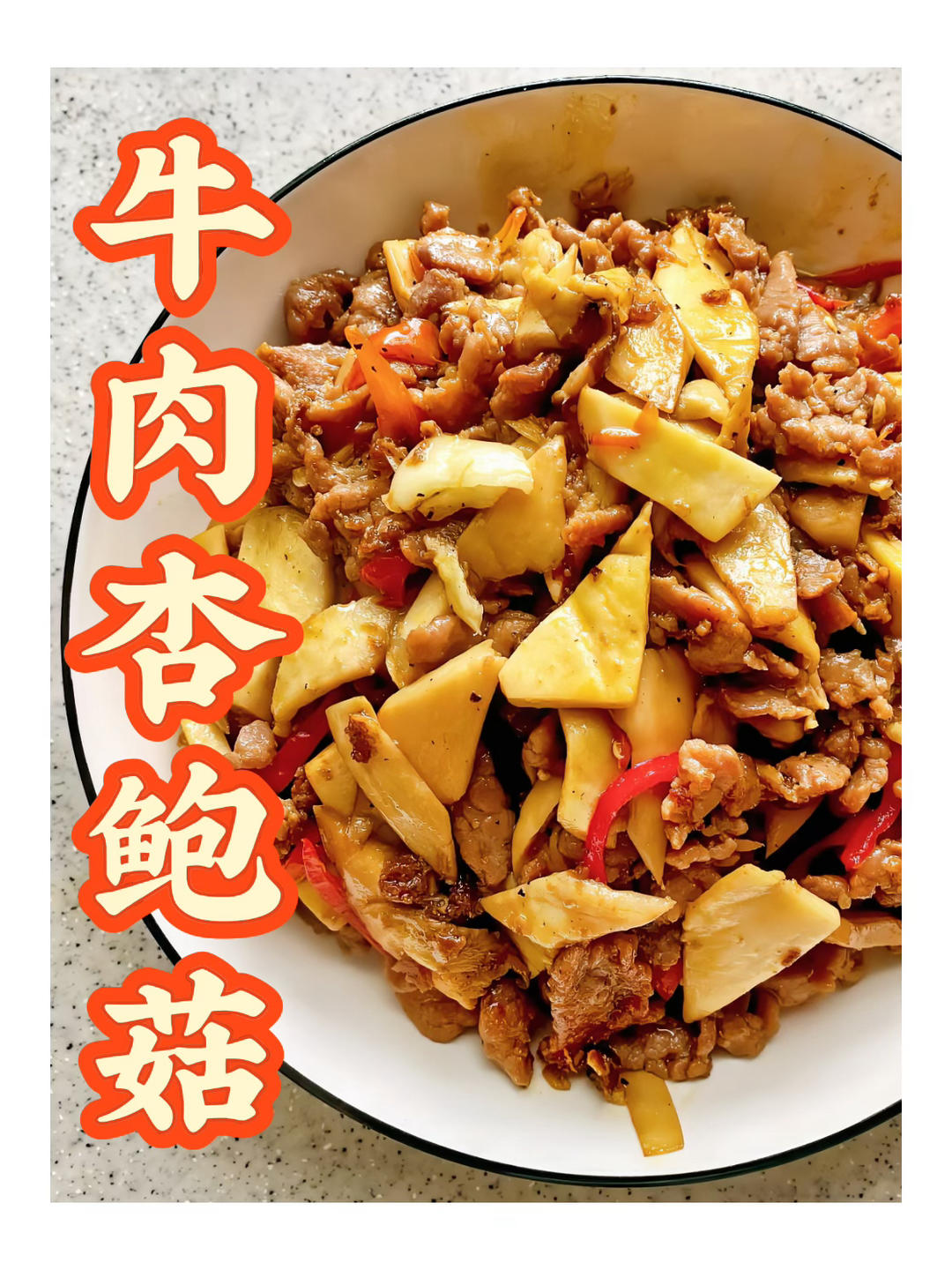
Beef with King Oyster Mushroom
This quick stir-fry combines tender marinated beef with savory king oyster mushroom for a flavorful dish that goes especially well with rice. The mushroom is first dry-fried to draw out moisture, then stir-fried with beef, garlic, and red chili for a simple home-style dish.
Stir-fry
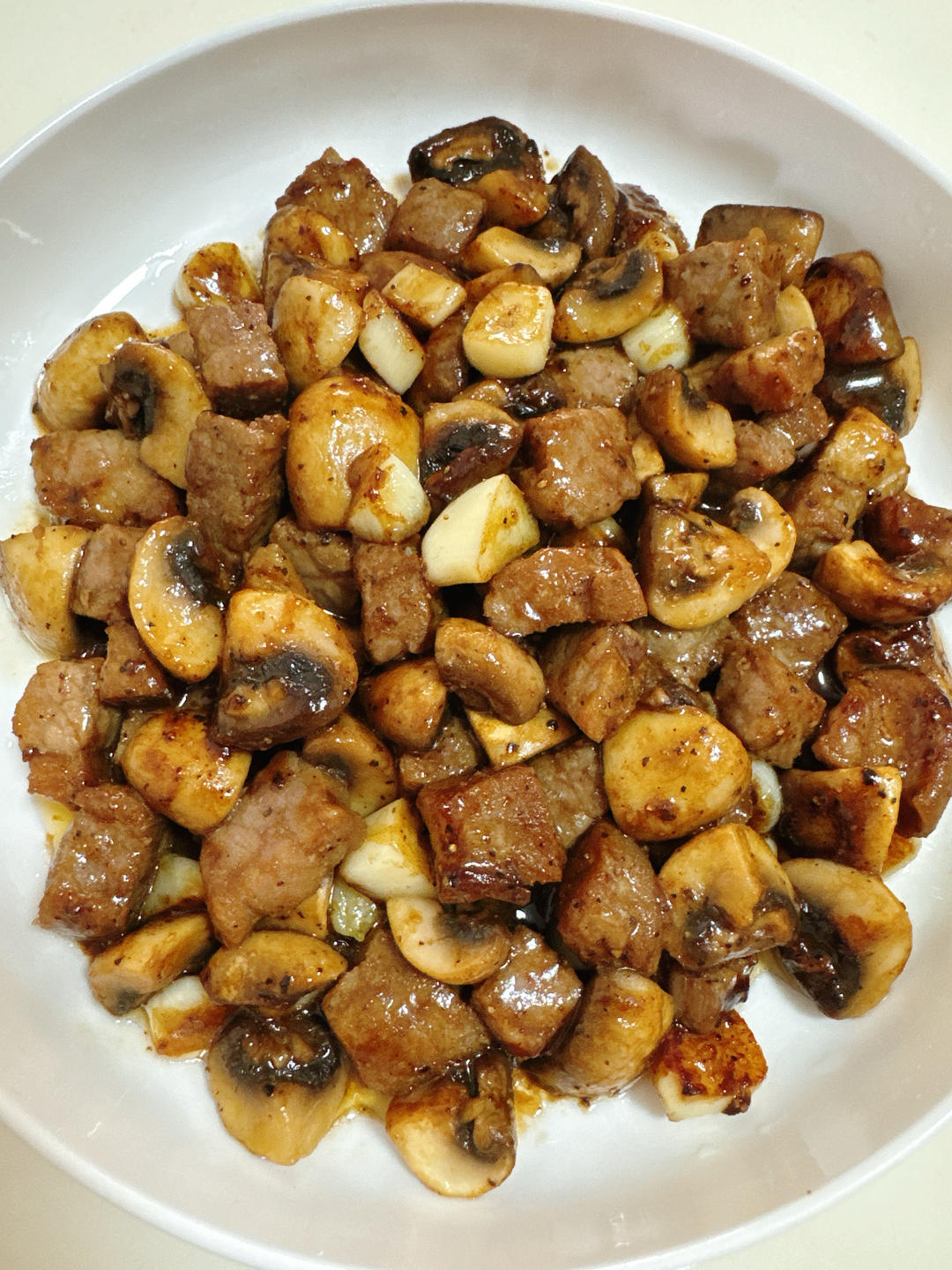
Black Pepper Beef Cubes with White Button Mushrooms
A quick stir-fry of tender beef cubes and white button mushrooms seasoned with black pepper sauce, black pepper, and garlic. Savory and aromatic, it pairs well with rice.
Braised
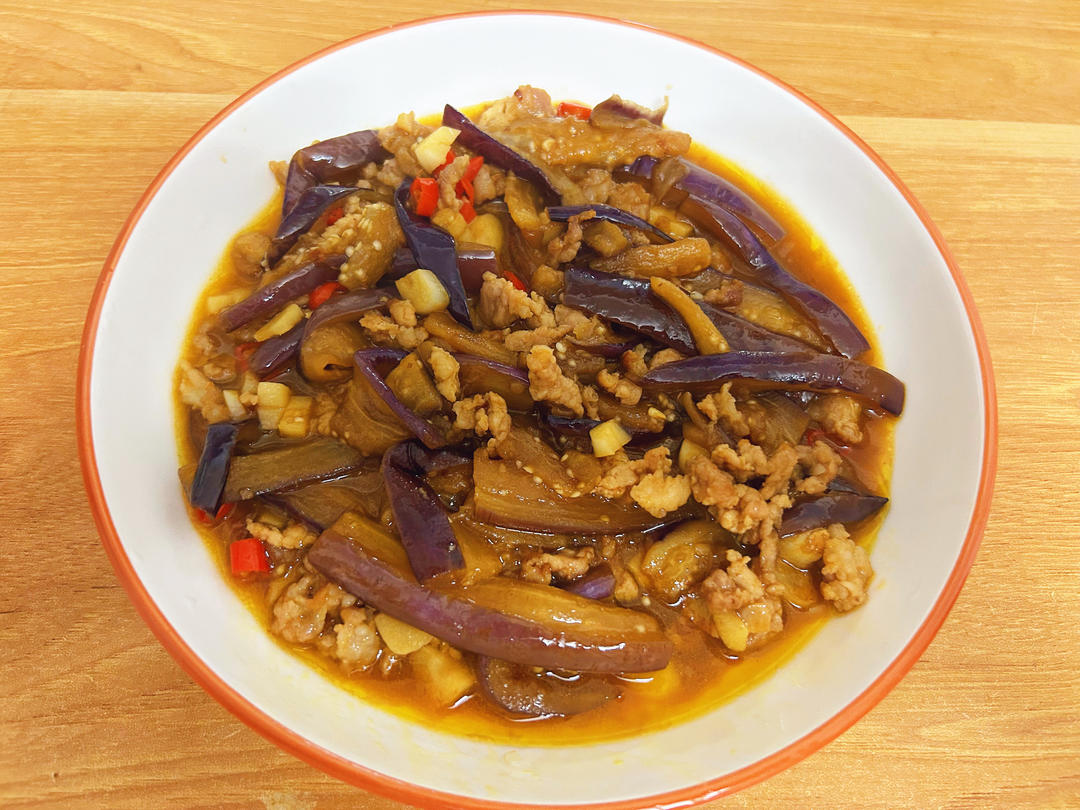
Braised Eggplant with Minced Pork
Braised eggplant with minced pork, savory and great with rice.